The Final Seconds of the Universe: Why Humans Appear Last
A Cosmic Perspective: Understanding the Scale of Time
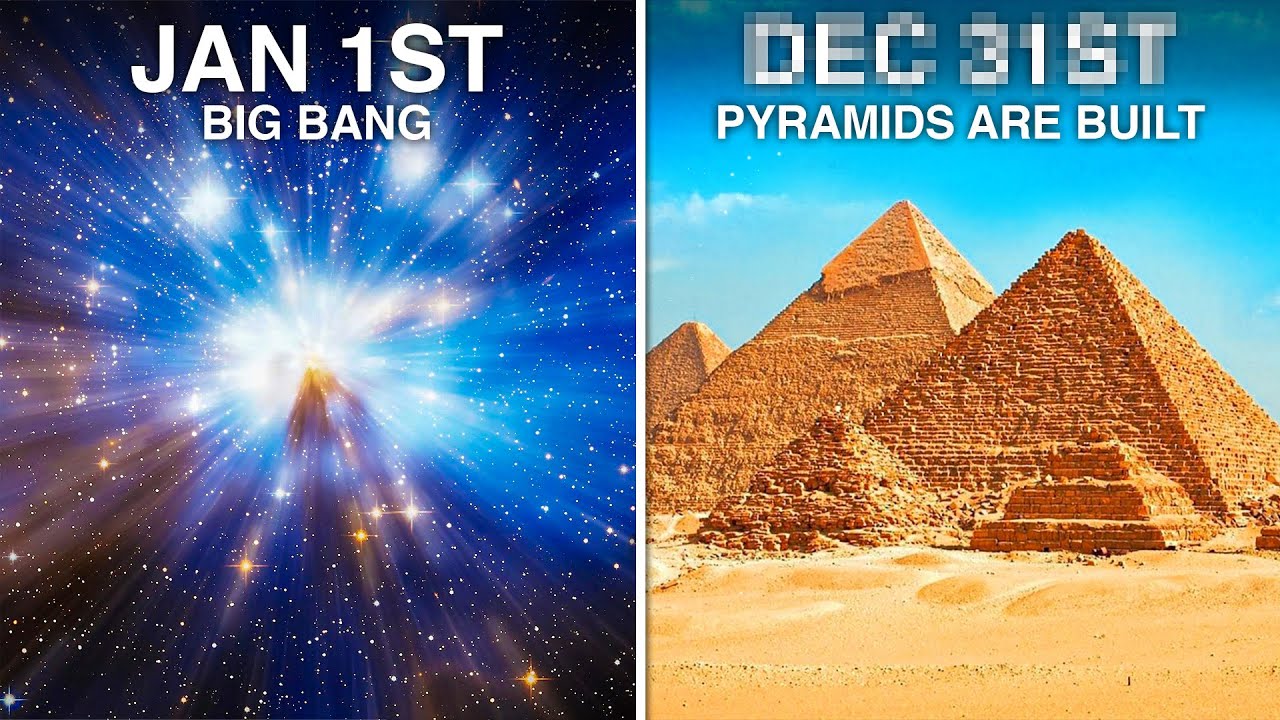
Imagine compressing the entire 13.8-billion-year history of the universe into a single year. This concept, known as the "cosmic calendar," offers a unique and humbling way to understand the vastness of time and the relatively recent appearance of humans in the grand scheme of things. By stretching the timeline of the universe across 12 months, we can visualize how events unfolded over billions of years.
The Big Bang and the Early Universe
The cosmic calendar begins at midnight on January 1 with the Big Bang, marking the birth of the universe. In the first few days of this calendar year, the first stars ignite, illuminating the dark void of space. These early stars played a crucial role in shaping the universe, as they began the process of creating heavier elements that would later form planets and life.
Formation of Galaxies and the Solar System
By January, our galaxy, the Milky Way, begins to take shape. However, it isn't until September that our solar system forms. This means that the formation of the Earth and other planets in our solar system occurs much later in the cosmic calendar. The solar system's creation sets the stage for the emergence of life on Earth.
The Emergence of Life on Earth
Life on Earth begins later still, with simple organisms appearing in late September. These early life forms were microscopic and existed in the oceans. As time progresses, oxygen-producing microbes begin to transform the planet in October. This development is significant because it paves the way for more complex life forms to evolve.
Dinosaurs and Their Extinction
Dinosaurs arrive on December 25, marking a pivotal period in Earth's history. These creatures dominated the planet for millions of years, but their reign comes to an end on December 30 due to a catastrophic asteroid impact. This event leads to the extinction of the dinosaurs and opens the door for mammals to thrive.
The Arrival of Humans
Humans make their appearance just minutes before midnight on December 31. This means that all of recorded human history, from ancient civilizations to modern technology, fits into the final seconds of the cosmic calendar. This perspective highlights how recent humans are in the context of the universe's long history.
The Humble Place of Humanity
The cosmic calendar serves as a powerful reminder of humanity's place in the universe. It emphasizes that we are a relatively recent addition to the cosmic story, and our existence is a small fraction of the universe's timeline. This understanding can inspire a sense of humility and curiosity about our origins and the vastness of the cosmos.
Reflections on Time and Existence
By viewing the universe through the lens of the cosmic calendar, we gain a deeper appreciation for the scale of time and the complexity of life. It encourages us to consider our role in the universe and to seek knowledge about the mysteries that surround us. As we continue to explore the cosmos, we may uncover new insights into our place in the grand narrative of the universe.
