Netflix Sued by Texas Over User Data Spying Allegations
The Brief
Texas has taken legal action against Netflix, accusing the company of violating consumer privacy by tracking user behavior and selling that data to third-party brokers. This comes after years of assurances from Netflix that it would remain an ad-free platform focused on protecting user privacy.
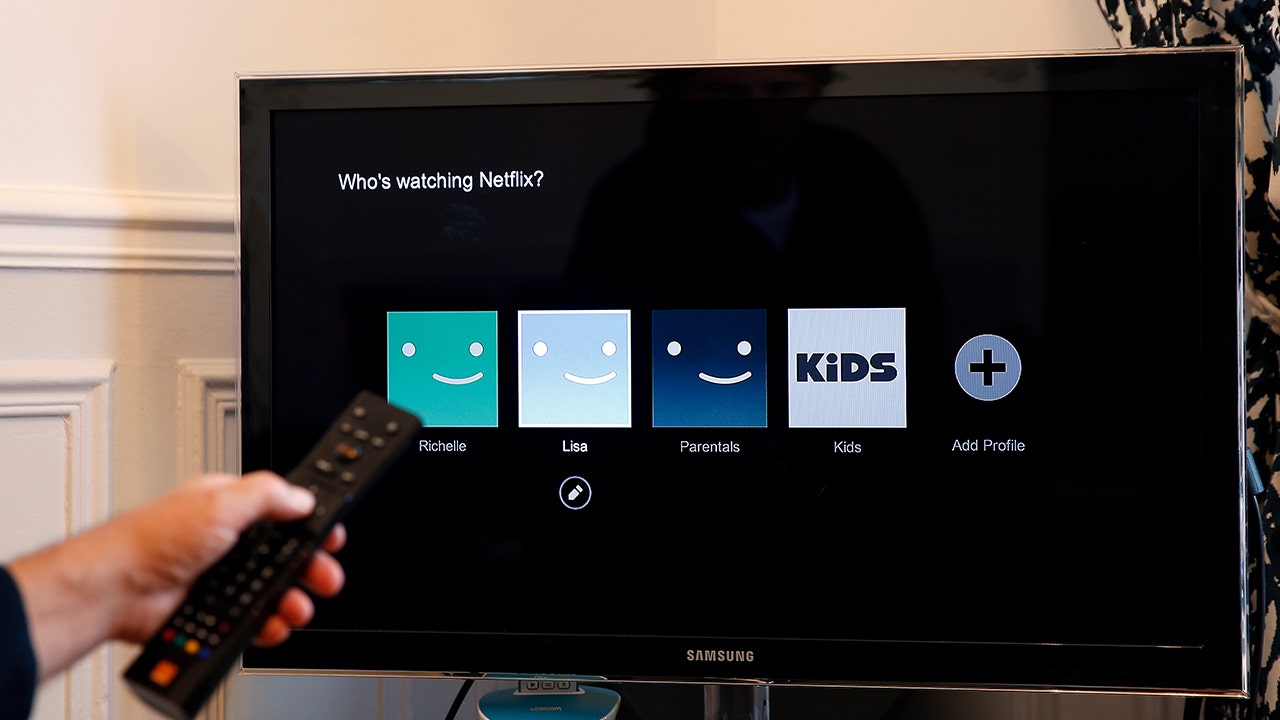
The lawsuit claims that Netflix targeted children by collecting behavioral data from their profiles and using features like autoplay to keep them engaged for longer periods. Texas is seeking civil penalties and court orders to halt unauthorized data collection and to implement changes to default settings on children's accounts.
Allegations of Secret Data Collection
What We Know
In its lawsuit, Texas alleges that Netflix misled users by claiming it did not collect or monetize extensive personal data. However, the state asserts that the company tracked detailed viewing habits, search activities, and user interactions to build comprehensive consumer profiles.
According to the Texas Attorney General, Ken Paxton, Netflix shared this data with advertisers and data brokers, which contradicts previous statements that the company would remain ad-free and avoid relying on user data for revenue.
Concerns Over Child Privacy and Addictive Features

What They're Saying
The complaint also highlights concerns about child privacy, as Texas claims that Netflix collected behavioral data from kids' profiles while marketing these accounts as safe spaces for young users. The state further accuses the company of using features such as autoplay to increase engagement and generate more data.
"Netflix has built a surveillance program designed to illegally collect and profit from Texans’ personal data without their consent," Paxton stated in a public statement.
The state is demanding civil penalties and court orders to stop unauthorized data collection practices. It also seeks to restrict the use of children's data and require changes such as disabling autoplay by default on kids' profiles.
The Future of Streaming Privacy

What's Next
Texas argues that Netflix built its business model on promises that set it apart from other tech platforms, but the state now claims these promises were broken. The lawsuit is still in its early stages, and the allegations have not yet been proven in court.
The case raises important questions about the future of streaming services and how they handle user data. As more consumers become aware of data privacy issues, the pressure on companies like Netflix to be transparent and accountable is likely to increase.
Key Points from the Lawsuit
- Texas accuses Netflix of secretly collecting and sharing user data.
- The state claims Netflix violated its promise of being an ad-free, privacy-first platform.
- Children's data is a major focus of the lawsuit, with allegations that Netflix used addictive features to keep them engaged.
- The lawsuit seeks civil penalties and court orders to stop unauthorized data collection.
- The case is still ongoing, and no verdict has been reached yet.
Conclusion
The lawsuit filed by Texas against Netflix highlights growing concerns over data privacy in the digital age. As streaming services continue to dominate entertainment, the need for transparency and accountability becomes increasingly important. The outcome of this case could set a precedent for how companies handle user data and protect the privacy of their youngest users.
