A Bold Voice from the Silent Era
San Francisco Silent Film Festival Returns to the Castro Theatre
The San Francisco Silent Film Festival, now in its 29th year, recently held its annual event from May 6 through 10. The festival’s motto of “What’s old is what’s new” seemed especially fitting this year as it returned to its longtime home, the Castro Theatre. This iconic venue, which opened in 1919, has undergone a major renovation over the past two years. The restoration preserved the theater's lavish and eccentric interior while transforming its auditorium into a live-performance space that combines table seating with traditional theater arrangements. The large balcony remains unchanged, and the project reportedly cost $41 million.
Despite these changes, the Castro Theatre managed to accommodate screenings by installing temporary raked seating in the orchestra section. This effort proved successful, as the venue was well-filled throughout the festival. Attendees were delighted to see the festival return to the Castro, which had previously moved to the Palace of Fine Arts and then to Orinda across the bay. The Castro’s urban location and proximity to transit lines made it a favorite among film enthusiasts. Although the seating capacity for screenings has decreased from 1,450 to 1,104, fans still need to arrive early to secure good seats.
A Diverse and Engaging Program
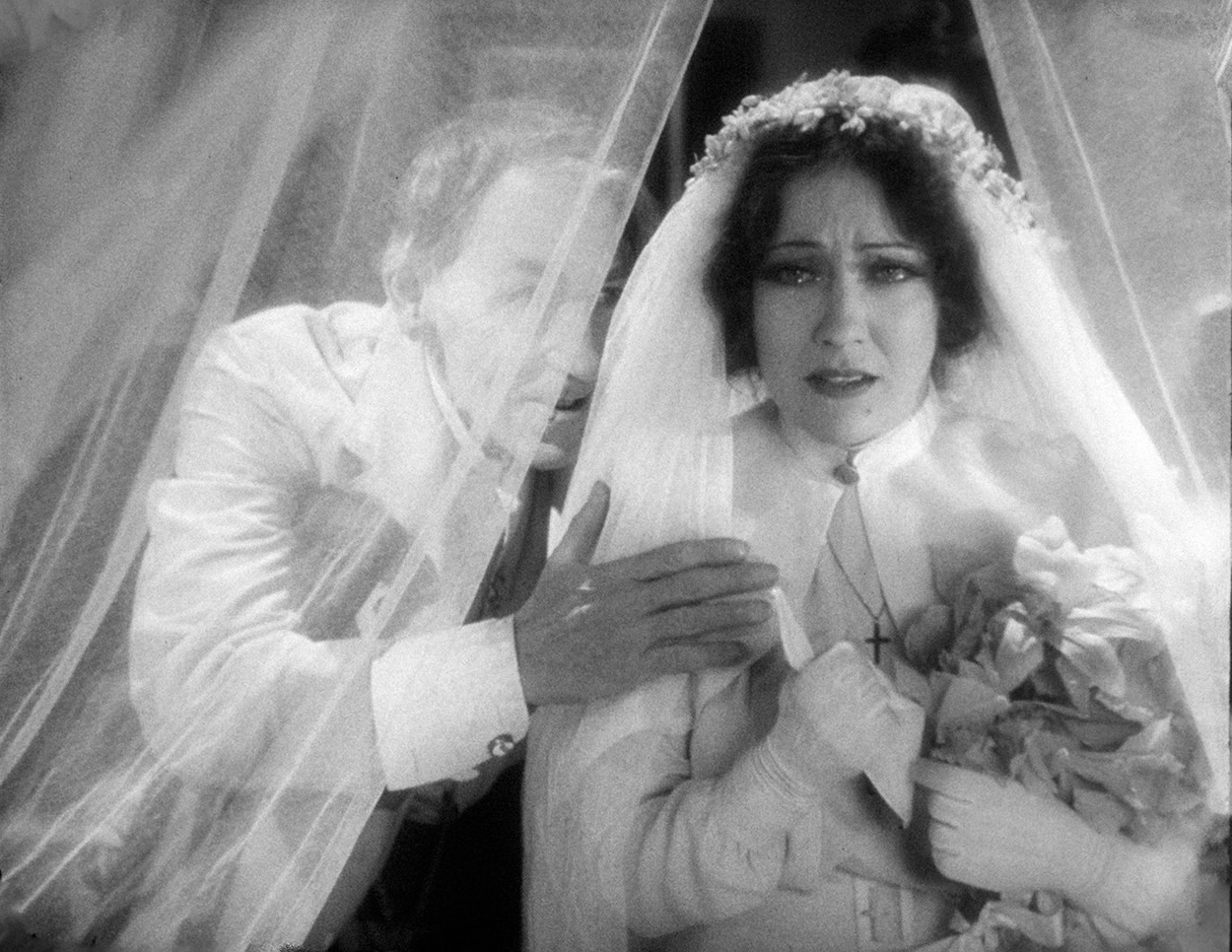
This year’s program was as varied as ever, and many attendees felt that the programming was the most satisfying they had experienced. The festival, under the direction of Stacey Wisnia and Anita Monga, took a risk by avoiding big names like Chaplin, Keaton, and Lloyd in the comedic sphere, as well as Fairbanks, Pickford, and Gish in the dramatic. Instead, the festival opened with Erich von Stroheim’s infamous "Queen Kelly" (1929) and closed with King Vidor’s powerful "The Crowd" (1928), both in newly restored versions.
"Queen Kelly," starring Gloria Swanson, who also co-produced the film, was Stroheim’s last silent picture as a director. The film was never completed, as Swanson halted production due to disorganization. What remains has been restored and assembled by Milestone Films, offering a narrative that, while incoherent, is undeniably outrageous.
In contrast, the new restoration of "The Crowd" is a masterpiece of the silent era. It serves as a sharp indictment of American self-regard and hubris, while also providing a deep character study of early 20th-century marriage. The performances of James Murray and Eleanor Boardman, Vidor’s wife, are particularly notable, as are the film’s extraordinary framing and tracking shots.
A Mix of American and European Classics
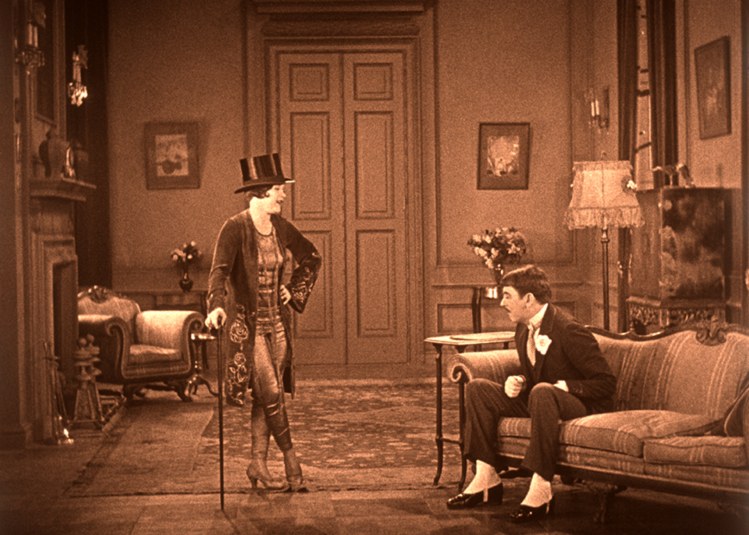
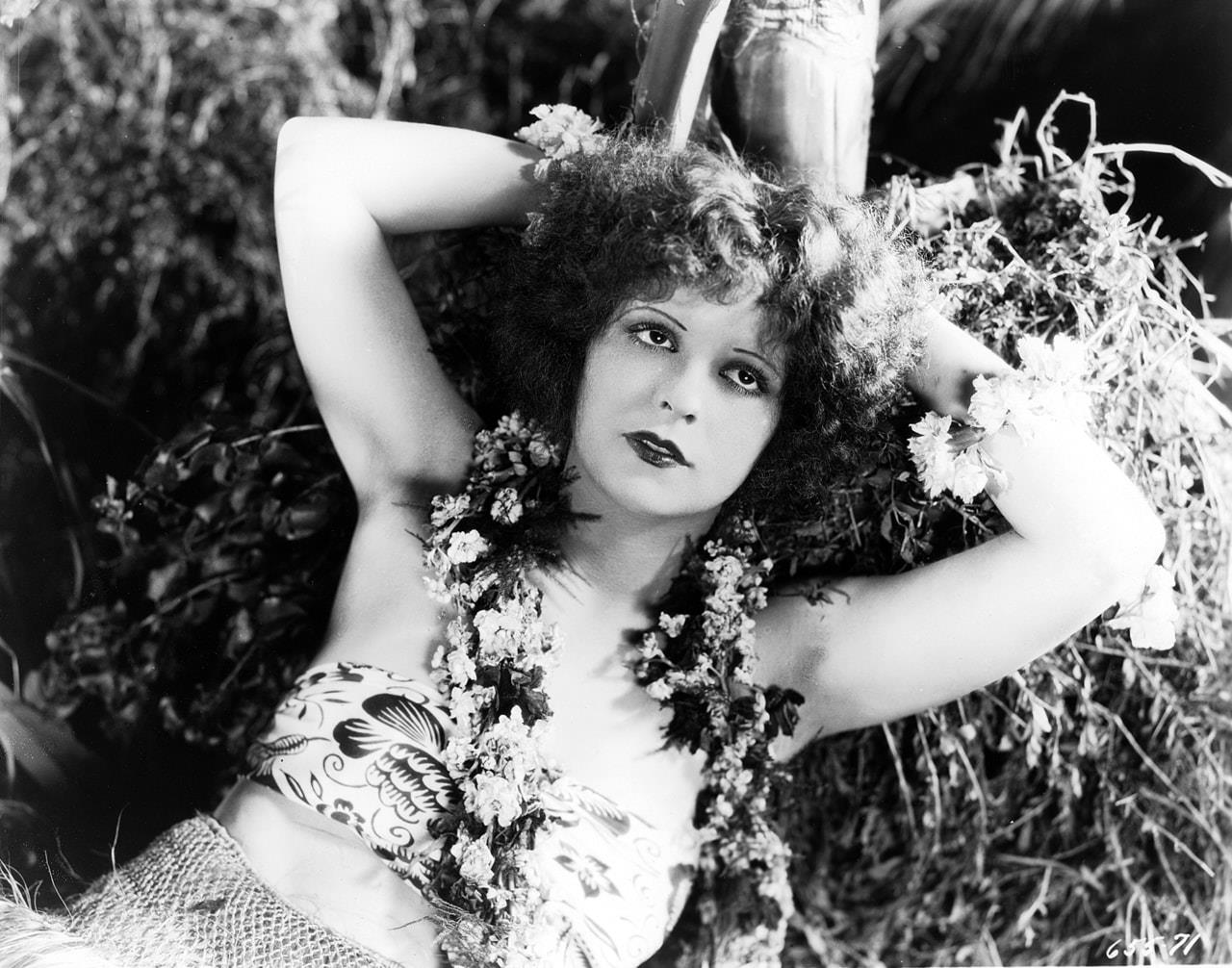
Between these two high-profile films, the festival featured several American comedies and European masterpieces. William de Mille’s "Miss Lulu Bett" (1921) focused on female empowerment, with Lois Wilson delivering a standout performance. Victor Fleming’s "Hula" (1927) showcased Clara Bow’s charisma, while Lewis Milestone’s "The Caveman" (1926) highlighted Marie Prevost’s charm as a wealthy woman determined to transform a coalheaver into a gentleman.
Ernst Lubitsch’s "So This Is Paris" (1926) served as a bridge between Europe and Hollywood, bringing European sophistication to American humor. Meanwhile, the Soviet film "Bed and Sofa" (1927), directed by Abram Room, offered a different kind of sex farce, focusing on friendship and personal agency.
Polish and French Cityscapes
The festival also featured the Polish film "Janko the Musician" (1930), directed by Ryszard Ordyński. This film, with its primitive soundtrack, was presented mostly without sound, reflecting how such films would have been shown in the provinces with live accompaniment. The story follows a folk fiddler who rises to become a concert artist thanks to the support of those around him.
Two cinematic cityscapes closed Saturday night’s bill. The first was Jean Vigo’s "À Propos de Nice" (1930), a peppy exploration of life in Nice. The second was Alberto Cavalcanti’s "Rien Que les Heures" (1926), set in Paris. While Vigo’s film offers an optimistic view of urban life, Cavalcanti’s more somber portrayal highlights the squalor and depravity of the past, echoing contemporary issues.
Live Music Enhances the Experience
One of the festival’s defining features is its use of live music to accompany the films. Small ensembles create the illusion of larger orchestras, with musicians often playing multiple instruments. Frank Bockius, Guenter Buchwald, Stephen Horne, and Mas Koga contributed their talents once again, adding to the immersive experience.
The festival’s return to the Castro Theatre underscores its importance in preserving the history of silent film. In a world where economic challenges threaten the future of film preservation, events like this one remind us of the enduring connection between today’s movies and the past. As the film industry continues to evolve, festivals like the San Francisco Silent Film Festival play a crucial role in keeping the legacy of silent cinema alive.
