Delays and Rising Costs Threaten KF-21 Fighter Jet Program
South Korea's KF-21 Fighter Jet Program Faces Cost Overruns and Potential Delays
South Korea's first domestically developed fighter jet, the KF-21 Boramae, is encountering significant financial challenges that could lead to delays in its production timeline. A recent document from the country’s defense procurement agency highlights concerns over rising costs for the follow-on production phase of the project.
According to the report, the "Block-II" production of the KF-21 fighters is projected to cost 18.44 trillion won (approximately US$12.5 billion) as of March 2025. This represents a 29.5 percent increase, or an additional 4.19 trillion won, compared to the original estimate of 14.24 trillion won set in August 2024. The increase has been attributed to several economic factors, including inflation, a weakened Korean currency, and global supply chain disruptions.
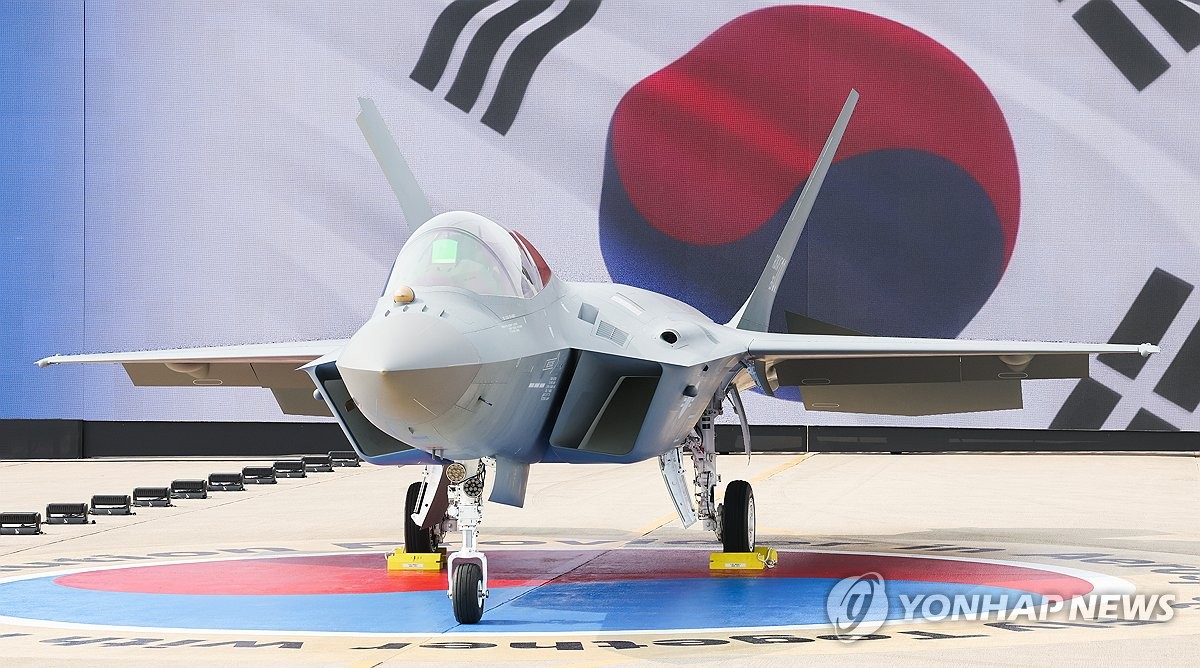
The KF-21 program was initiated in late 2015 with the goal of developing an advanced supersonic aircraft to replace older models such as the F-4 and F-5 jets. The project saw the rollout of its first prototype in April 2021, marking the start of the "Block-I" production phase. This phase aims to manufacture 40 KF-21s focused on air-to-air combat capabilities, with delivery to the Air Force expected by 2028.
The next stage, "Block-II," involves producing an additional 80 units equipped with long-range air-to-ground missiles, with a target completion date of 2032. However, the budget for this second phase is still under discussion and will be finalized before the end of the year after consultations with the Ministry of Planning and Budget.
Financial Challenges and Project Timeline Concerns
The Block-I production phase has already faced cost overruns, with actual spending reaching 8.38 trillion won—up from the initial estimate of 7.92 trillion won. These increases have raised concerns about the overall financial sustainability of the project.
To date, South Korea has invested 8.81 trillion won in establishing the development framework for the KF-21 program. When factoring in the production costs for 120 jets and estimated maintenance expenses of 26 trillion won over the next three decades, the total projected expenditure exceeds 60 trillion won.
Given these rising costs, the Defense Acquisition Procurement Administration (DAPA) is reportedly considering delaying the deployment of the KF-21 jets. Discussions are underway with the Air Force to potentially push back the delivery of the first batch of 40 jets by one year, from 2028 to 2029. The second phase, involving the 80 additional jets, could also face a delay of two to three years.
Technical Specifications and Future Capabilities
Despite these challenges, the KF-21 remains a technologically advanced aircraft. It is designed to reach a maximum speed of Mach 1.81 and has a range of 2,900 kilometers. The plane is equipped with an active electronically scanned array (AESA) radar, which enhances its detection and targeting capabilities. It can carry a payload of up to 7.7 tons and is built with the potential for future stealth enhancements.
The KF-21 program is a critical component of South Korea’s military modernization efforts. However, the current financial and scheduling hurdles may require careful planning and strategic adjustments to ensure the project remains viable in the long term.
